Choosing the best metal zipper involves considering the application, material, gauge, and finish to ensure durability and functionality. Metal zippers, known for their strength and classic aesthetic, are a top choice for various applications. This guide will walk you through the key factors to consider when selecting the ideal metal zipper for your needs.
Understanding Metal Zipper Basics
Metal zippers, the oldest type of functional zipper, are composed of individual metal teeth molded and set onto zipper tape. They are known for their strength and are often preferred for heavy-duty applications. Understanding the components, materials, and gauges is crucial for making the right choice.
Key Components of a Metal Zipper
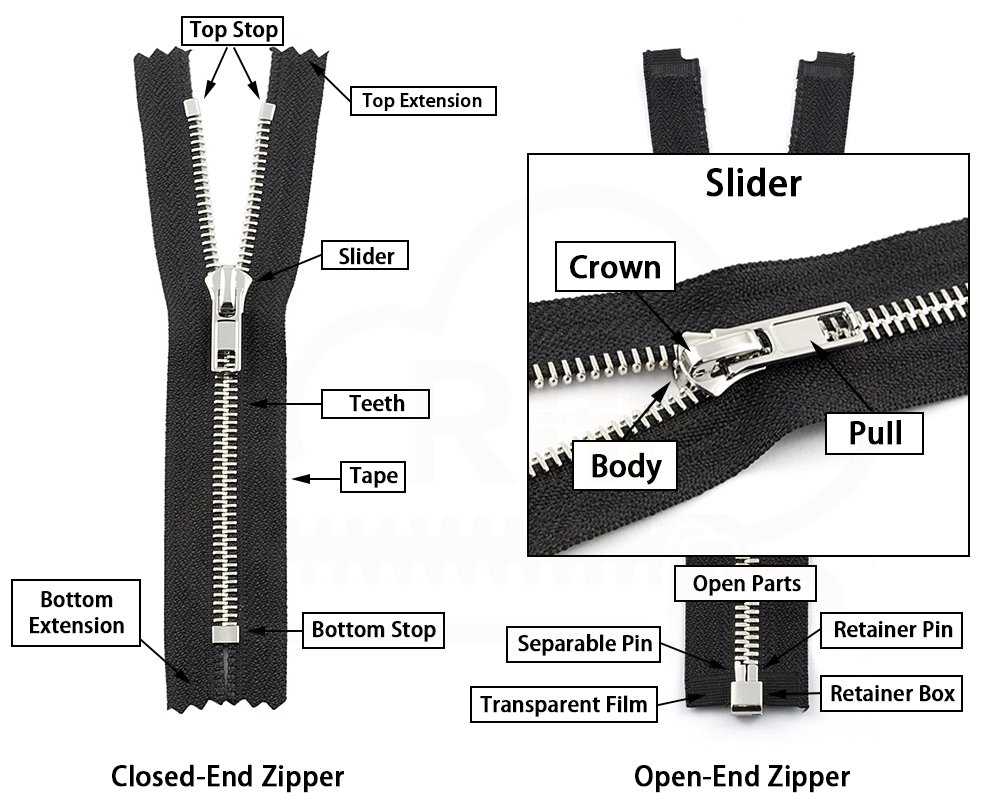
- Zipper Teeth (Chain): These interlocking metal teeth form the core of the zipper, available in various gauges.
- Slider: The mechanism used to open and close the zipper.
- Top and Bottom Stops: Prevent the slider from detaching from the chain.
- Insertion Pin and Retainer Box: (For separating zippers) These align and join the two halves of the zipper.
Materials Used in Metal Zippers
Metal zippers are primarily made from:
- Brass: Offers a gold-colored appearance and excellent durability.
- Nickel: The strongest metal option for zipper construction.
- Aluminum: A lighter alternative with good corrosion resistance.
Additional finishes like antique brass, antique nickel, and gunmetal are available for aesthetic and functional purposes.
Factors to Consider When Selecting a Metal Zipper
Several factors influence the selection of the best metal zipper for your project.
Application and Intended Use
The intended application is the primary consideration.
- Apparel: Jeans, jackets, and leather outfits require durable zippers.
- Accessories: Purses, boots, and handbags need zippers that withstand frequent use.
- Heavy-Duty Items: Duffel bags, luggage, and sleeping bags demand robust zippers.
- Industrial Applications: Equipment covers and workwear require zippers that resist abrasion.
Gauge Size and Weight
Gauge size indicates the width of the zipper teeth when closed.
- #5 Gauge: Suitable for medium-weight applications.
- #10 Gauge: Designed for heavy-duty applications.
Higher gauge numbers signify heavier-duty zippers appropriate for more demanding uses. Consider the weight of the material and the stress the zipper will endure.
Material and Finish
The material and finish affect both the appearance and the performance of the zipper.
- Brass Zippers: Offer a classic look and durability.
- Nickel Zippers: Known for their strength.
- Aluminum Zippers: Lightweight and corrosion-resistant.
The finish can also impact durability and aesthetic appeal. For example, antique finishes provide a vintage look, while corrosion-resistant finishes are ideal for marine environments.
Durability and Maintenance
Metal zippers are known for their durability but require proper maintenance.
- Lubrication: Applying lubricant periodically can prevent seizing and ensure smooth operation.
- Corrosion Resistance: Consider the environment. Stainless steel or galvanized options can resist rust in humid or marine settings.
Advantages and Disadvantages of Metal Zippers
Understanding the pros and cons helps in making an informed decision.
Advantages
- Exceptional Durability and Strength: Ideal for heavy-use scenarios.
- Repairability: Individual teeth can be repaired if damaged.
- Classic Appearance: Available in multiple finishes for an elegant look.
- Long Lifespan: Can last for many years with proper care.
Disadvantages
- Susceptibility to Rust: Especially in marine or humid environments.
- Higher Maintenance: Require more lubrication than plastic zippers.
- Heavier Weight: Compared to nylon or plastic alternatives.
- Limited Flexibility: Less suitable for curved designs.
Comparison with Other Zipper Types
Metal zippers differ from other types, such as nylon coil and plastic-molded zippers.
- Nylon Coil Zippers: More versatile and flexible, suitable for curves.
- Plastic-Molded Zippers: Corrosion and UV resistant.
Metal zippers are the best when longevity through repairability and maximum durability are priorities.
Where to Buy Metal Zippers
Metal zippers are available from various suppliers, both online and in-store. Consider these factors when choosing a supplier:
- Reputation: Choose reputable suppliers known for quality products.
- Selection: Ensure the supplier offers the gauge, material, and finish you need.
- Customer Reviews: Read reviews to assess the quality of the products and the reliability of the supplier.
Conclusion
Choosing the best metal zipper involves careful consideration of the application, material, gauge, and finish. By understanding the components, advantages, and limitations of metal zippers, you can make an informed decision that ensures both durability and aesthetic appeal for your project. Whether it’s for apparel, accessories, or heavy-duty items, the right metal zipper will provide reliable closure and lasting performance.